

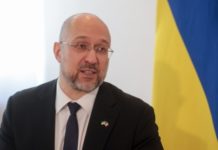

















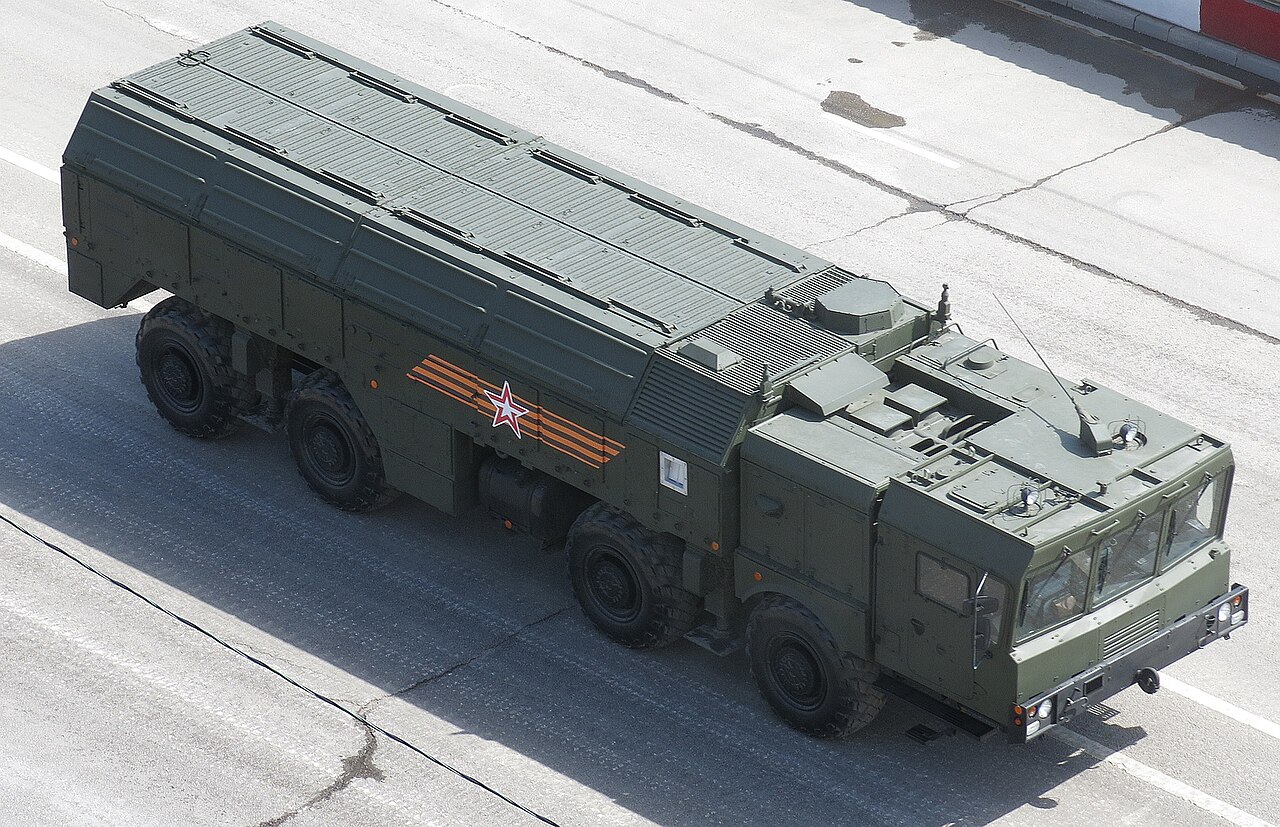
Ukrainian forces have struck a combined total of 16 Russian Iskander missile systems and S-400 air defence systems in recent months, Defence Minister Yevhenii Khmara said on November 23. Speaking at the 72nd Annual Session of the NATO Parliamentary Assembly in Berlin, he outlined how Ukraine is targeting Russian launchers to reduce Moscow’s capacity to carry out further missile attacks.
What is known about the 16 Russian systems hit
Ballistic missiles remain among the most difficult threats for Ukraine’s air defences to counter. Their high speed makes interception particularly challenging and requires specialised air defence systems.
Rather than relying exclusively on intercepting missiles after launch, Ukrainian forces are also striking the launchers Russia uses to fire them.
During his address to NATO lawmakers, Khmara said Ukraine’s Defence Forces had hit a combined total of 16 Iskander and S-400 systems over the past few months.
The Iskander is a Russian operational-tactical missile system used in strikes against Ukraine. The S-400 is primarily an air defence system, although Russian forces have also used certain missiles fired from its launchers against ground targets.
The Ministry of Defence did not release a detailed breakdown of the operations or specify how many systems were destroyed beyond repair and how many were damaged.
The figure therefore refers to the combined number of systems hit, not necessarily 16 launchers permanently destroyed.
Russia is producing a ballistic missile every five hours
Khmara also warned NATO lawmakers about the pace of Russian missile production.
According to his remarks, Russia is currently manufacturing approximately one ballistic missile every five hours and is working to increase production further.
Business Insider reported that Khmara said Russian forces had launched 153 ballistic missiles against Ukraine in October alone.
These figures help explain why Ukraine is pursuing several defensive measures simultaneously: strengthening its air defences, striking enemy launchers, and disrupting the production of new Russian weapons.
Khmara said facilities belonging to Russia’s defence industry would remain among Ukraine’s military targets as Kyiv seeks to reduce Moscow’s ability to manufacture weapons for further attacks.
Ukraine asks partners for additional protection
Despite the reported successes against Russian launchers, Ukraine continues to need substantial international military assistance.
Khmara identified three priorities during his NATO Parliamentary Assembly address: air defence, additional aviation capabilities, and unmanned systems.
Ukraine has proposed that its partners provide interceptor missiles from existing inventories, with those stocks later replenished through deliveries under contracts already signed by Kyiv.
The country is also seeking 40 additional fighter jets, alongside suitable weapons, pilot training, and maintenance capabilities.
The defence minister also highlighted 11 joint weapons-production projects that Ukraine has already launched with international partners and intends to expand in 2027.
Striking Russian launchers and strengthening Ukrainian air defences are complementary approaches to protecting the country. The first is intended to reduce Russia’s capacity to launch attacks, while the second helps protect civilians from missiles that are still fired. However, the Ministry of Defence has not yet released the detailed outcomes of the 16 reported strikes.
Archive photograph: Boevaya mashina / Wikimedia Commons, CC BY-SA 4.0. The photograph was taken in 2015 and does not show one of the reported 16 strikes. Original · CC BY-SA 4.0.
 Додавайте "Україна Неймовірна" у свої джерела Google Новини